Top Tips for Safe Gas Appliance Maintenance
- Dice Kota
- Jan 3
- 3 min read

Gas appliances are a common feature in many homes, providing essential services such as heating, cooking, and hot water. However, they can pose serious safety risks if not properly maintained. Regular maintenance is crucial to ensure that these appliances operate efficiently and safely. In this blog post, we will explore the top tips for safe gas appliance maintenance, helping you to protect your home and loved ones.

Understanding the Importance of Gas Appliance Maintenance
Gas appliances, including stoves, heaters, and water heaters, rely on gas to function. If not maintained, they can develop issues that may lead to gas leaks, carbon monoxide poisoning, or even explosions. Regular maintenance not only ensures the safety of your appliances but also enhances their efficiency and longevity.
Why Regular Maintenance Matters
Safety: Regular checks can prevent dangerous situations, such as gas leaks or carbon monoxide buildup.
Efficiency: Well-maintained appliances use gas more efficiently, saving you money on energy bills.
Longevity: Routine maintenance can extend the life of your appliances, reducing the need for costly replacements.
Key Maintenance Tips for Gas Appliances
1. Schedule Regular Inspections
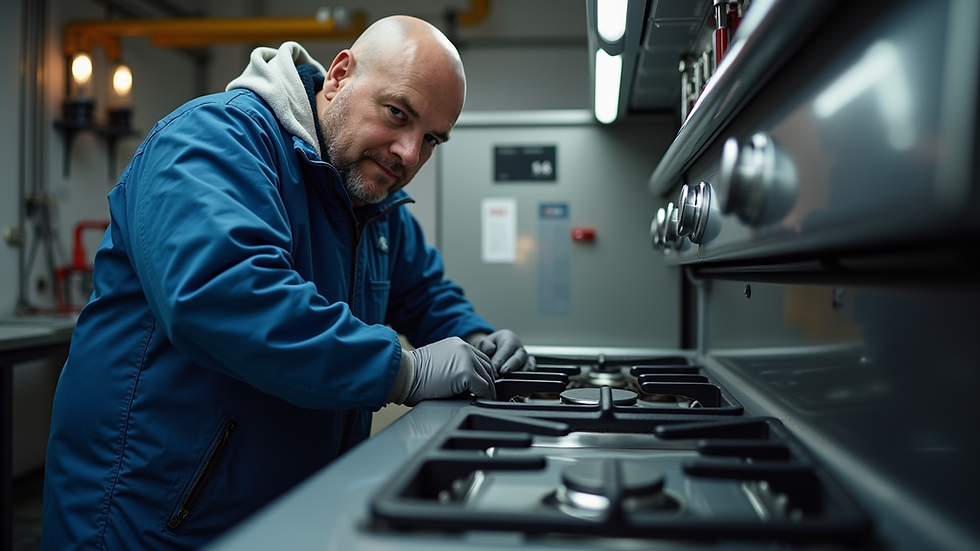
One of the most effective ways to ensure the safety of your gas appliances is to schedule regular inspections with a qualified technician. Aim for at least once a year, or more frequently if you notice any issues.
What to Expect: A technician will check for gas leaks, inspect connections, and ensure that all components are functioning correctly.
Documentation: Keep records of all inspections and maintenance work done. This can be helpful for warranty claims or if you decide to sell your home.
2. Check for Gas Leaks
Gas leaks can be deadly, so it’s essential to know how to detect them. Here are some signs to watch for:
Smell: Natural gas is odorless, but a chemical called mercaptan is added to give it a distinctive rotten egg smell.
Sound: Listen for hissing or whistling sounds near gas lines or appliances.
Sight: Look for dead vegetation or bubbles in standing water near gas lines.
If you suspect a gas leak, evacuate the area immediately and contact your gas supplier.
3. Clean Your Appliances Regularly
Keeping your gas appliances clean can prevent buildup that may affect their performance. Here are some cleaning tips:
Stoves and Ovens: Remove food debris and grease from burners and oven interiors. Use a damp cloth and mild detergent.
Heaters: Dust and dirt can accumulate on heaters, affecting their efficiency. Use a vacuum with a brush attachment to clean vents and surfaces.
Water Heaters: Flush your water heater annually to remove sediment buildup, which can reduce efficiency.
4. Ensure Proper Ventilation
Proper ventilation is crucial for gas appliances to function safely. Ensure that:
Vents are Clear: Check that all vents and flues are unobstructed and functioning correctly.
Airflow is Adequate: Ensure that there is enough airflow around appliances to prevent carbon monoxide buildup.
5. Use Appliances as Intended
Always follow the manufacturer's instructions for using your gas appliances. This includes:
Avoiding Overloading: Do not overload your stove or oven, as this can lead to overheating and potential hazards.
Using Correct Fuel: Ensure that you are using the correct type of gas for your appliances.
Recognizing Warning Signs of Malfunction
Being aware of warning signs can help you catch potential issues before they become serious. Look for:
Yellow or Orange Flames: Gas appliances should produce a blue flame. A yellow or orange flame may indicate incomplete combustion and potential carbon monoxide production.
Increased Gas Bills: A sudden spike in your gas bill may indicate a leak or malfunctioning appliance.
Frequent Pilot Light Outages: If the pilot light on your appliance frequently goes out, it may indicate a problem with the appliance.
What to Do in an Emergency
In the event of a gas emergency, it’s crucial to act quickly:
Evacuate: Leave the area immediately and ensure that others do the same.
Avoid Flames: Do not light matches or use any electrical devices, as they may ignite gas.
Contact Professionals: Call your gas supplier or emergency services to report the situation.
Conclusion
Maintaining your gas appliances is essential for ensuring safety and efficiency in your home. By following these tips, you can help prevent accidents and extend the life of your appliances. Regular inspections, cleaning, and awareness of warning signs are key components of effective gas appliance maintenance.
Take action today to ensure your home remains a safe environment for you and your loved ones. If you haven’t scheduled a maintenance check recently, now is the perfect time to do so. Your safety is worth it!

Comments